Historical Record · Dublin, c.1900–1910
Dublin at the Turn of the Century — Lauder Bros. Studio Portrait
Lauder Bros., 32 Westmoreland Street & 45 Lower Sackville Street
Catalogue details
Description
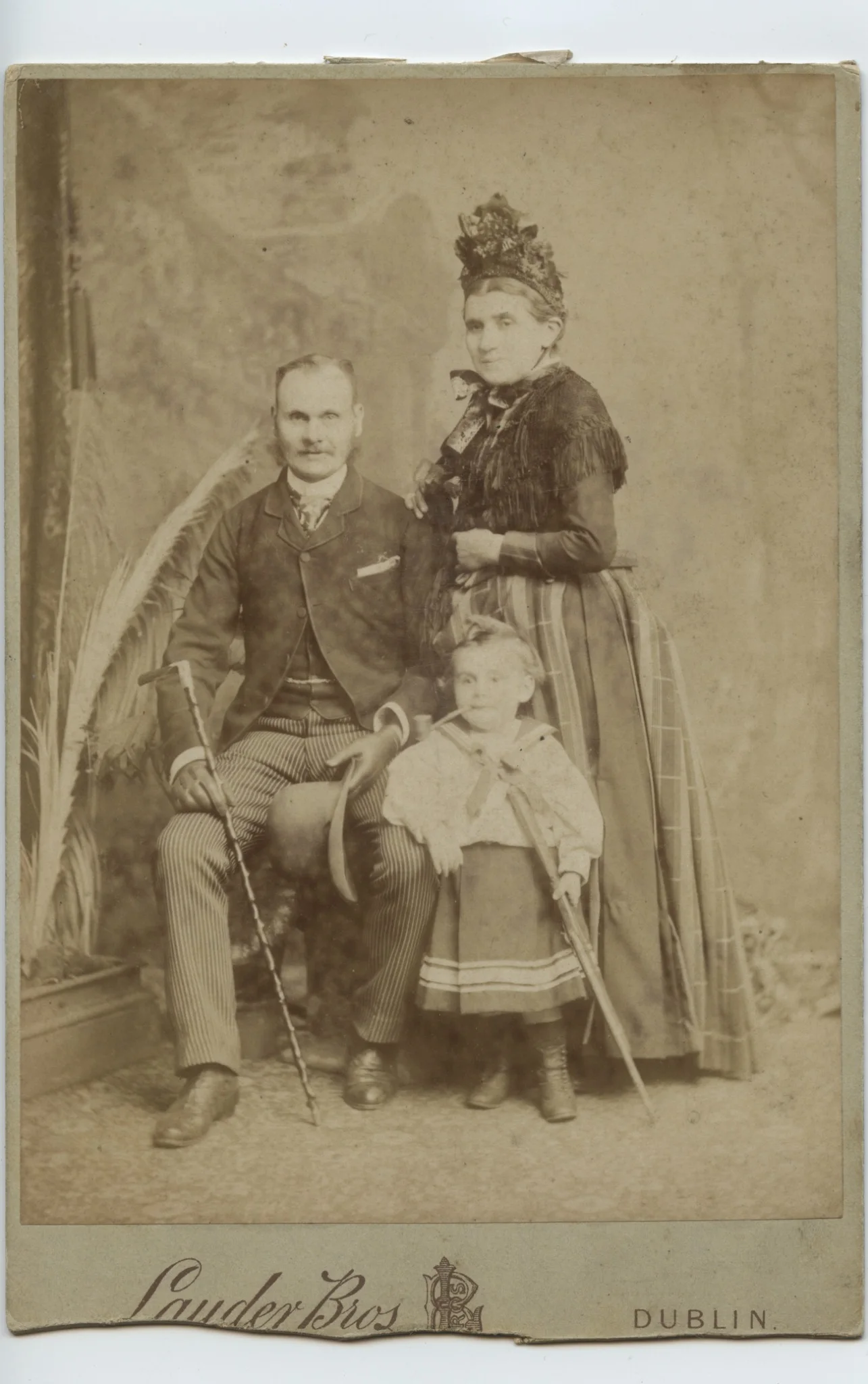
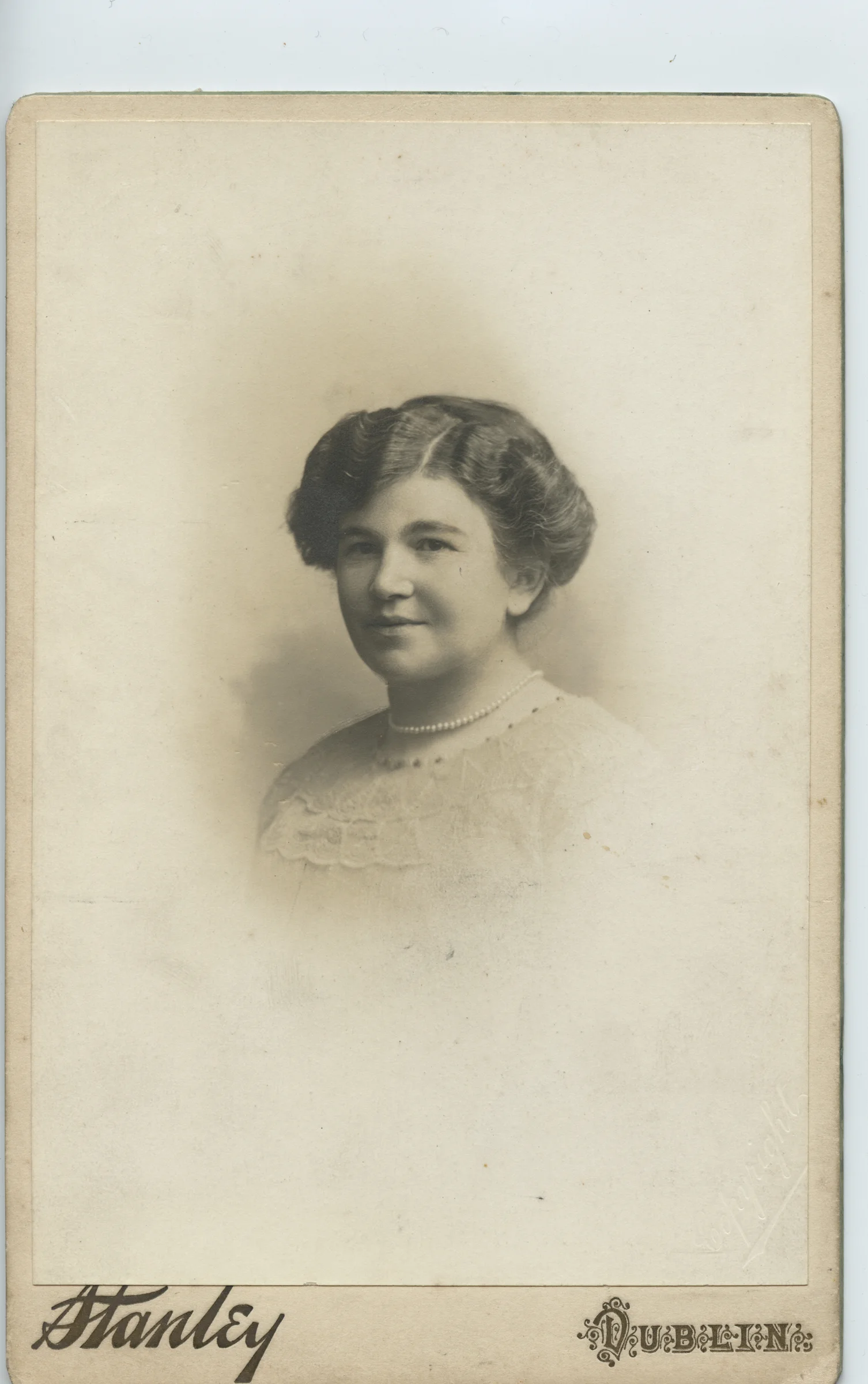
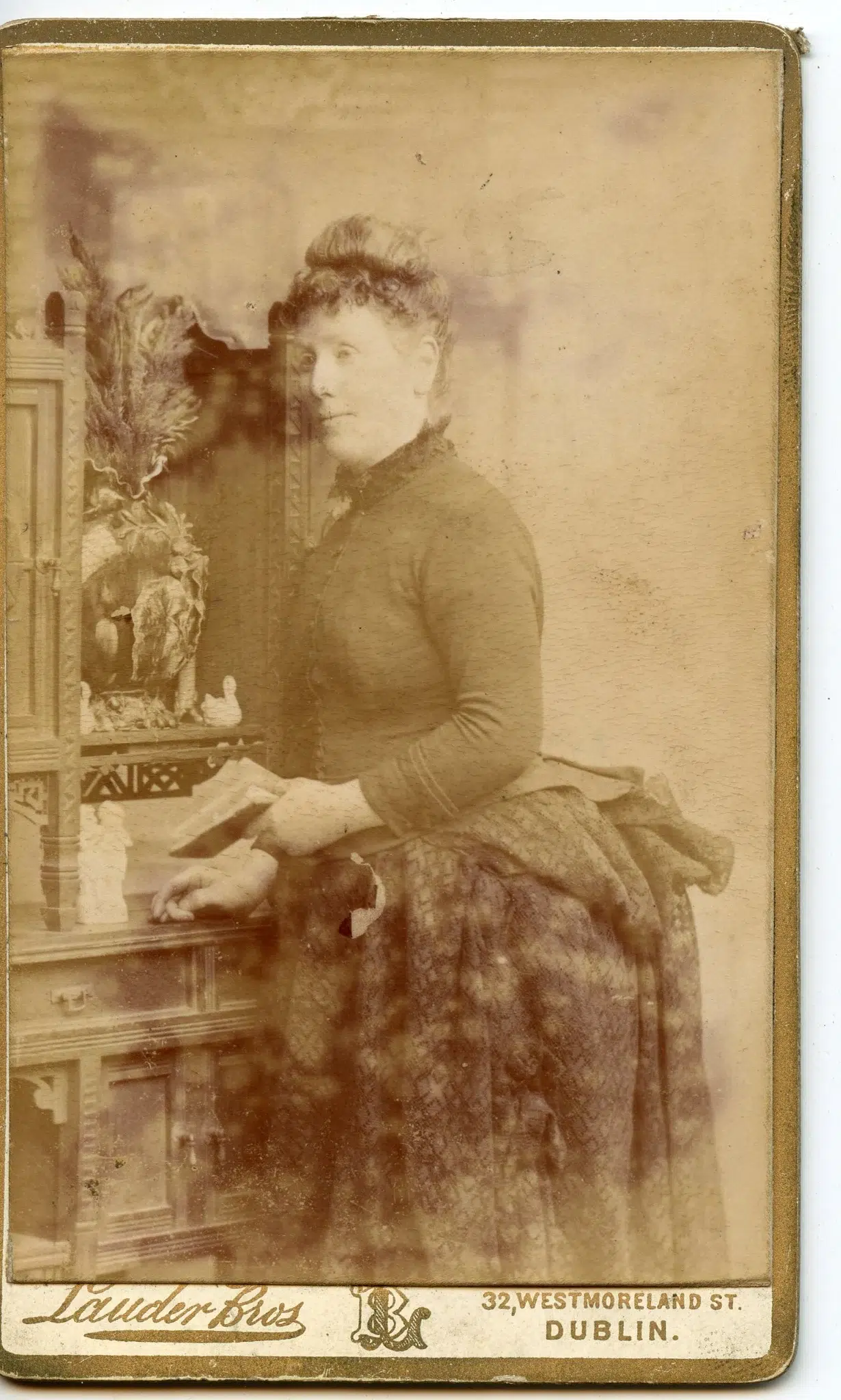
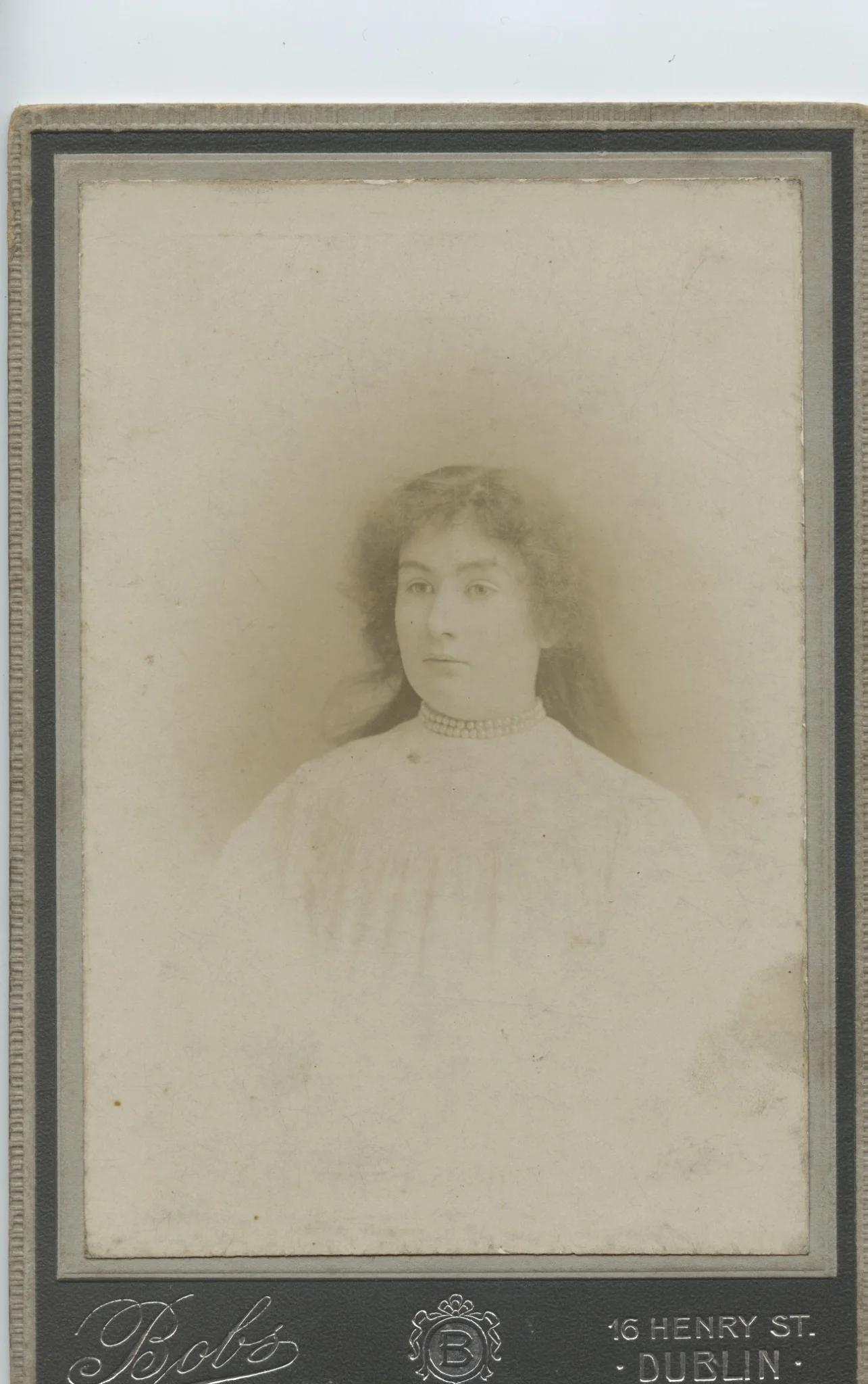
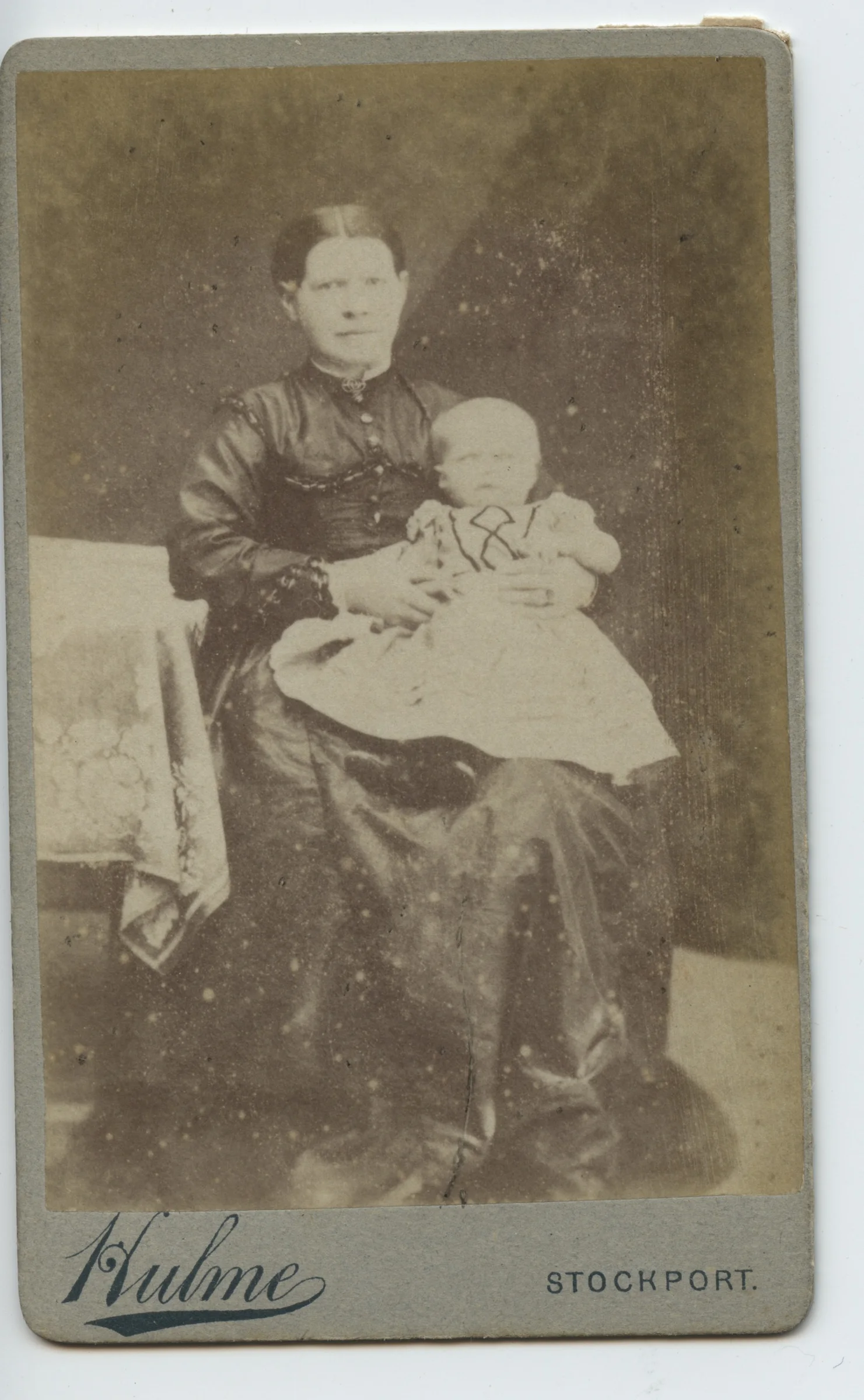
An original turn-of-the-century cabinet-card portrait from Lauder Bros., one of Dublin’s established photographic firms, preserved with the studio’s richly printed reverse and original negative/reference number 26757.
- Date
- c.1900–1910
- Place
- 32 Westmoreland Street & 45 Lower Sackville Street, Dublin
- Country
- Ireland
- Category
- Irish Photography
- Photographer
- Lauder Bros.
- Extent / Pages
- 1 mounted photographic card · recto and verso
- Dimensions
- Measurements gladly provided on request
- Subject
- Unidentified adult man, head-and-shoulders portrait
- Studio negative / reference
- No. 26757 · handwritten on verso
- Medium
- Original mounted studio photograph in cabinet-card format
- Condition
- Please consult the photographs for condition. Additional photographs are available on request.
Shipping quoted by destination before payment
Historical context & sources
Context, attribution and documentary significance.
The Studio
Lauder Bros. on Dublin’s photographic mile.
The Lauder family occupied a central place in nineteenth-century Dublin photography. The Dictionary of Irish Biography records Lauder studios at 45 Lower Sackville Street and on Westmoreland Street, within the concentration of leading photographic businesses that became known as Dublin’s “photographic mile”.
The correct reverse carries the Lauder Bros. name with the dual Dublin addresses 32 Westmoreland Street and 45 Lower Sackville Street. This changes the dating evidence materially. Galway County Council Archives catalogues a cabinet card with the same dual-address imprint to the 1900s, while the UCD Archives catalogue records the same wording on the 1910 wedding portrait of Éamon and Sinéad de Valera. On that evidence, this portrait is now conservatively catalogued to c.1900–1910 rather than the earlier 1885–1892 range previously assigned from an incorrect reverse scan.
Dublin, c.1900–1910 · The Time Capsule
A portrait from the commercial heart of turn-of-the-century Dublin.
Lower Sackville Street — today Lower O’Connell Street — was one of Dublin’s principal commercial and social arteries. A studio portrait made there was not merely a likeness: it was a deliberately produced object intended to circulate among family and acquaintances, carrying both the sitter’s self-presentation and the photographer’s highly visible trade identity.
The survival of the card’s full reverse is especially useful. Lauder Bros. advertised that “all negatives [were] carefully kept”; this example carries the handwritten number 26757, catalogued here as the studio negative/reference number. The studio also offered enlargements from photographs in oil, watercolour or crayon. The handwritten number 26757 is retained as primary evidence from the object and is not used here to identify the sitter.
The Portrait
A restrained turn-of-the-century male studio portrait.
The sitter is unidentified. He appears as an adult man with closely cropped hair and a substantial moustache, dressed in a dark jacket, high white collar and tie. The composition is restrained: there are no studio props or painted architectural effects, and the figure fades softly into the neutral background.
The mount bears the scripted Lauder Bros. name and Dublin imprint along its lower edge. A small tie pin or emblem is visible at the knot. No identification has been found on either side of the card, and the catalogue deliberately leaves the sitter unnamed rather than proposing an unsupported attribution.
The Address
Two Dublin addresses — Westmoreland Street and Lower Sackville Street.
The reverse names both 32 Westmoreland Street and 45 Lower Sackville Street. Together these addresses place the object within the central Dublin photographic district around O’Connell Bridge. The dual-address imprint is independently documented on surviving Lauder Bros. cabinet cards from the 1900s and on the 1910 wedding portrait of Éamon and Sinéad de Valera.
The National Archives of Ireland records a compensation claim by Peter Dinette, trading as Lauder Brothers, for damage to photographic stock and materials at 45 Sackville Street Lower during the 1916 disturbances. The later fate of the premises gives the address an additional historical resonance, although this cabinet card predates those events by more than two decades.
Dating & Attribution
The reverse provides the strongest evidence.
The corrected reverse requires a broader and later dating than the first draft of this record. The strongest directly comparable evidence currently located is the same dual-address imprint on material catalogued by Galway County Council Archives to the 1900s and by UCD Archives on a securely dated 1910 portrait. For that reason the present card is conservatively dated c.1900–1910.
Accordingly, this portrait is catalogued as c.1900–1910. The date is research-based rather than inscribed. The exact dual-address imprint is independently documented on Lauder Bros. material catalogued to the 1900s and on a 1910 wedding portrait of Éamon and Sinéad de Valera. The sitter remains unidentified, while the studio attribution is explicit on both the mount and reverse.
Dating and studio identification are supported by institutional records using the same dual-address imprint. UCD Archives, Éamon de Valera Papers, catalogues a 1910 wedding portrait of Éamon and Sinéad de Valera by “Lauder Bros., 32 Westmoreland St. & 45 Lr. Sackville St., Dublin”. Galway County Council Archives, Minihan Family Photographic Collection, catalogues another cabinet card with the same dual address to the 1900s. Wider Lauder family history is documented by the Dictionary of Irish Biography. The handwritten studio number is recorded from the original object; no sitter identification is claimed from that number alone.