About us
Our history & approach
From a physical books and antiques shop in Dalkey to a research-led antiquarian dealing and collecting practice in Gothenburg.
The Dalkey years
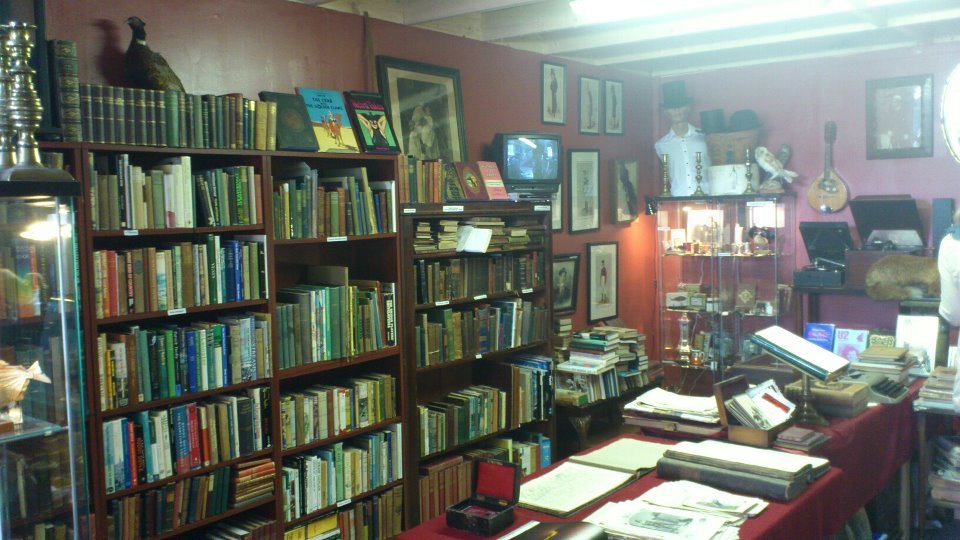
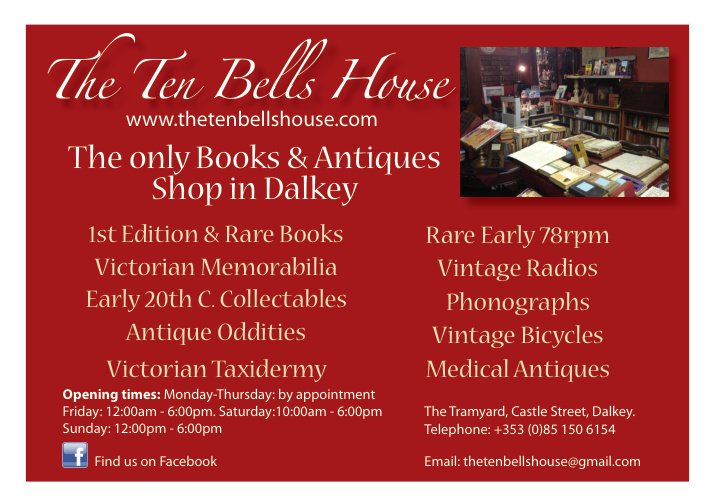
We were formerly based at The Tramyard, Castle Street, Dalkey, County Dublin, Ireland. Our surviving period advertising described first editions and rare books, Victorian and early twentieth-century memorabilia, photography and other specialist historical material.
Our book identity was substantial: one period advertisement referred to approximately 30,000 books available at the time, including hundreds of first editions from the stock of Vartry Books in Wicklow.
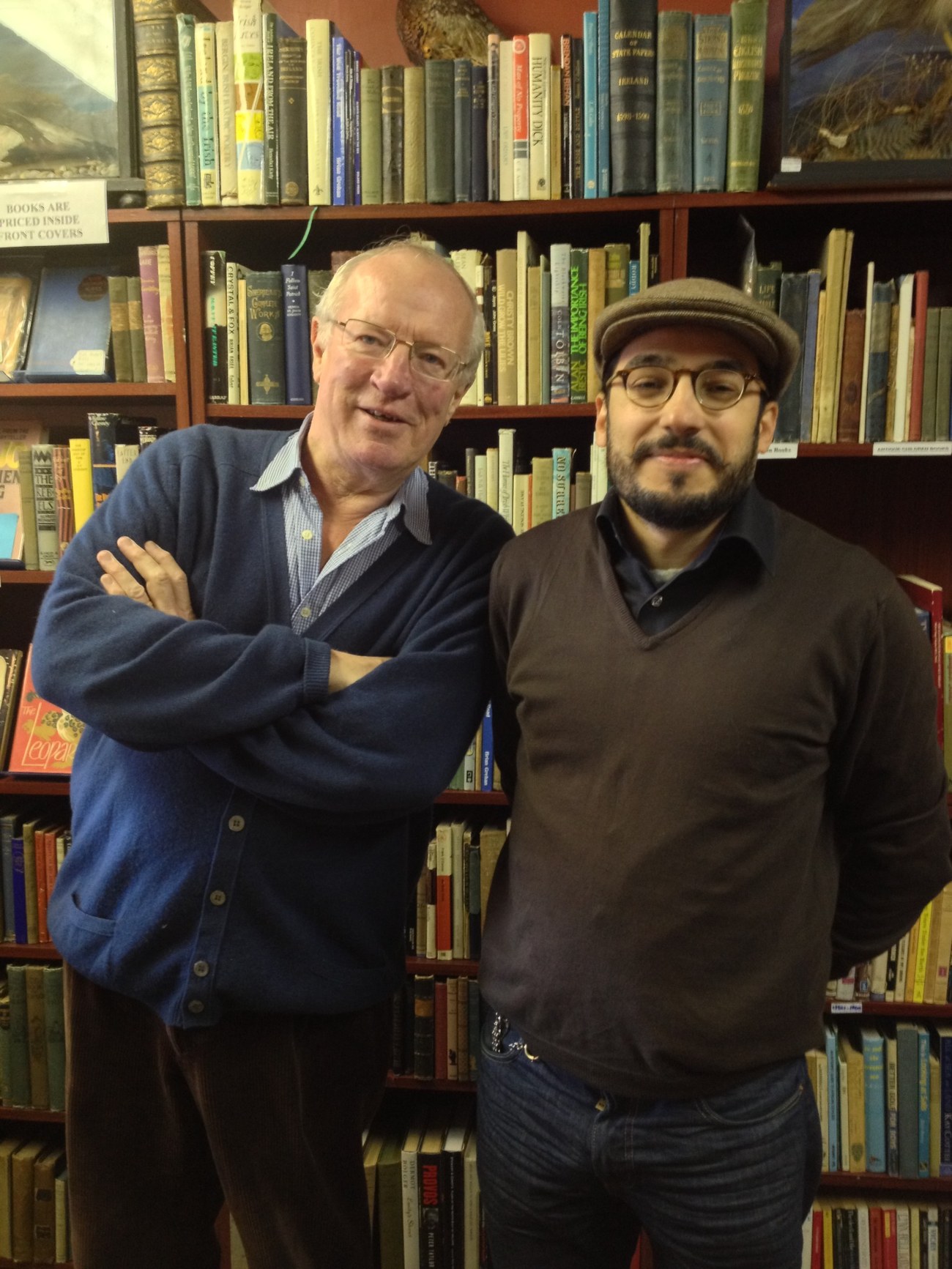
Robert Fisk (1946–2020)
The late Robert Fisk was among our customers in Dalkey. A veteran foreign correspondent and author, he reported from Northern Ireland and the Middle East over a career spanning several decades and became particularly associated with The Independent. Robert Fisk died in Dublin on 30 October 2020, aged 74, after a career spanning more than four decades of international reporting.
Our present focus
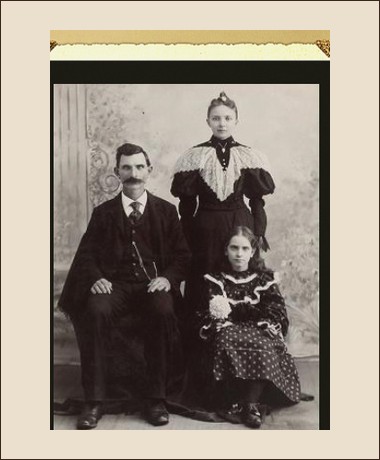
Today we concentrate on nineteenth-century handwritten documents and ephemera, antique and vintage portrait photography, manuscripts, archives and coherent private collections. Within these fields, we maintain distinct Irish and Victorian collecting focuses.
We are particularly interested in acquiring private lots, family papers, photographic groups, manuscript material, documentary archives and complete or coherent collections. Where possible, we prefer to keep historically related material together rather than separating it into individual items.
We buy directly from private owners, collectors and estates, and we also work with institutional and specialist buyers when placing significant collections.
We are now physically based in Gothenburg, Sweden, while continuing to work internationally with material connected to Ireland, the United Kingdom, Italy, Spain, wider European collections and the United States.
Private treaty & institutional placement
Important collections and archival groups are normally approached through direct private treaty or institutional placement. Online platforms are a secondary route used selectively for individual items rather than the core of our work.